Top Dental Implants Dentists in Austin
Replacing a missing tooth in Austin? Implants are the closest thing modern dentistry offers to growing a new tooth — a titanium post in the jawbone, topped with a crown that looks and functions like the real one. The Austin practices below are the ones our verified patient reviews single out specifically for implant work.
 FEATURED
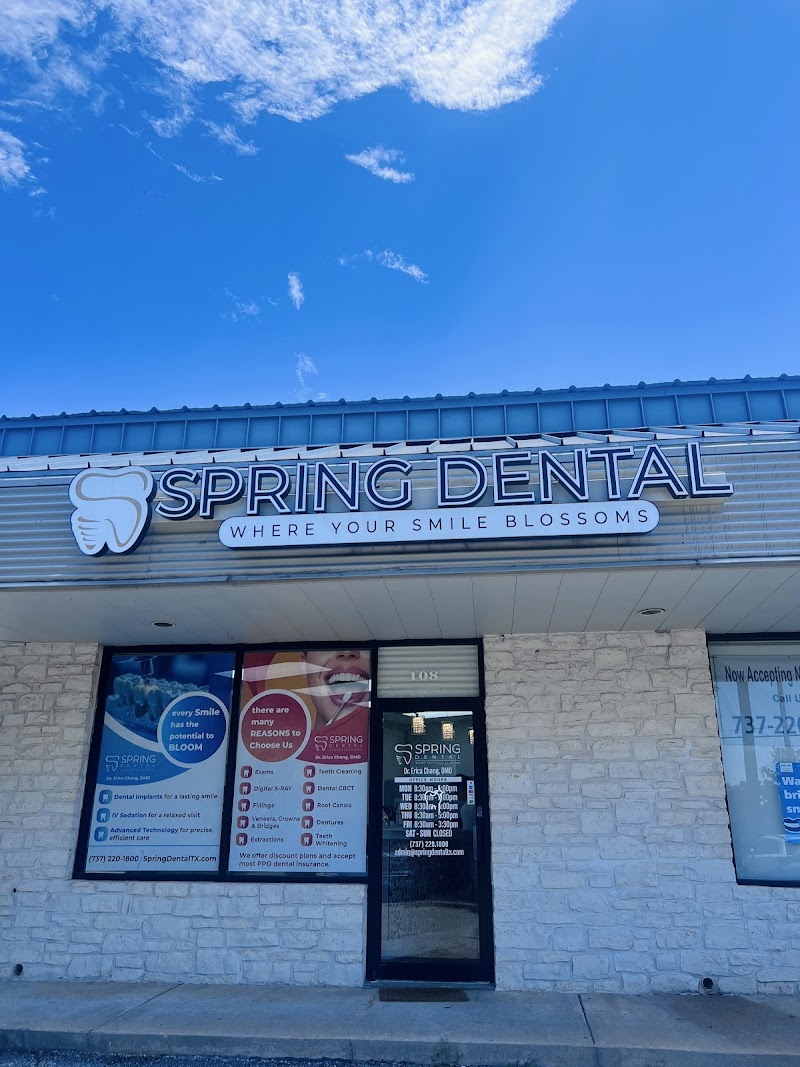
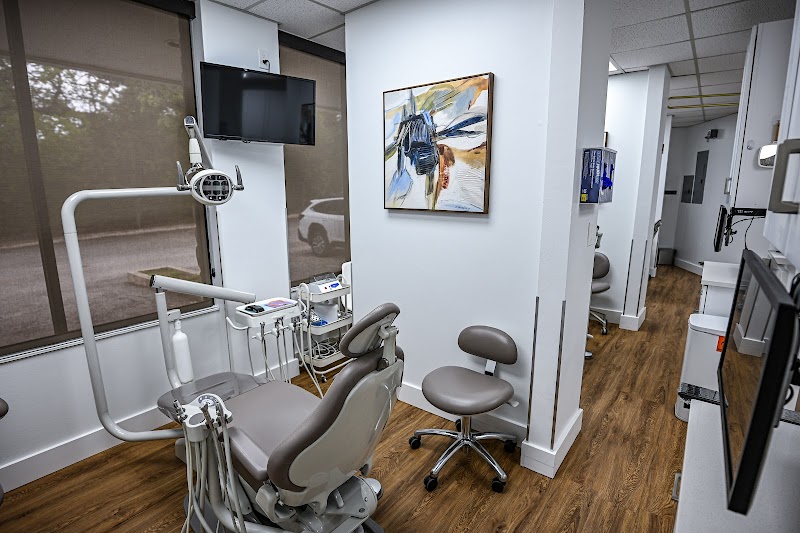
Spring Dental
Round Rock
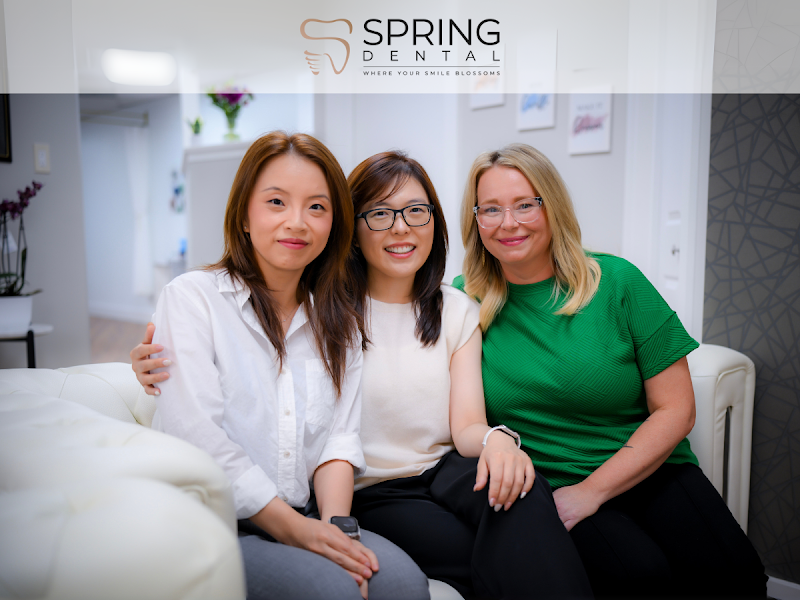
Patients consistently praise the friendly and professional staff at Spring Dental, highlighting the comfortable environment and gentle treatment they receive. Dr. Chang is particularly noted for her thorough explanations and empathetic care, making dental visits a positive experience.
Team: Dr. Erica Chang, Sharon, Melissa
“The implant process was smooth and painless.” — Young
 FEATURED
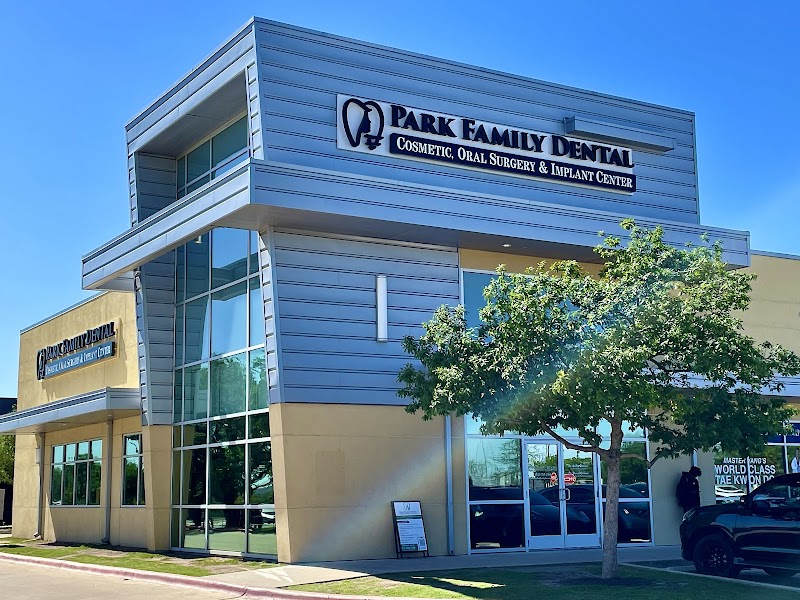
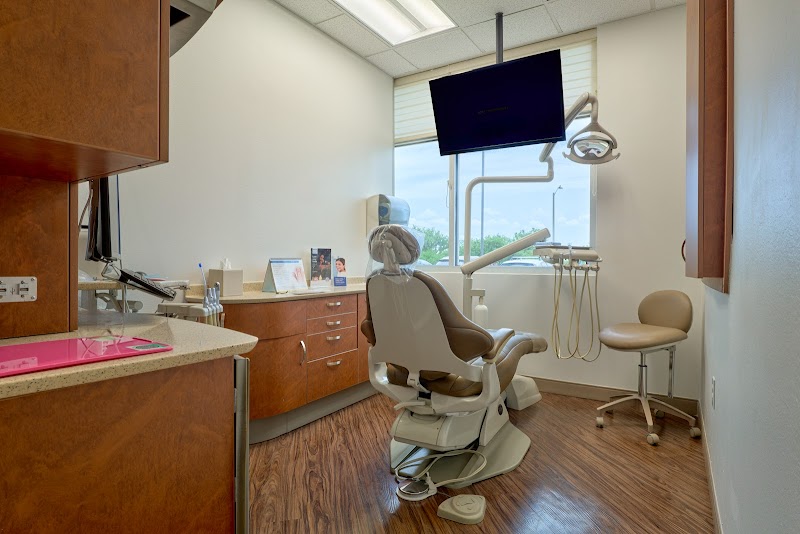
Park Family Dental - Cosmetic, Oral Surgery, & Implant Center
Cedar Park
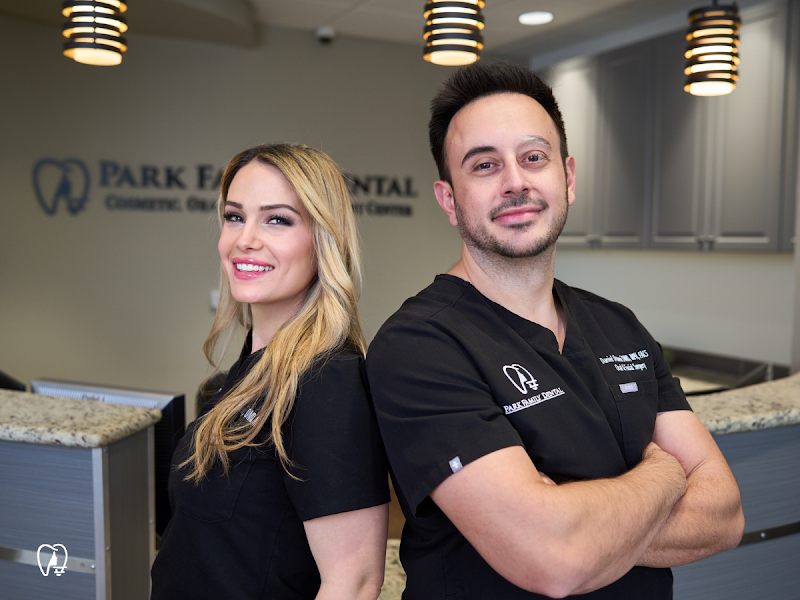
Park Family Dental is highly regarded for its compassionate, family-oriented atmosphere and exceptional care for anxious patients of all ages. Led by the husband-and-wife team of Drs. Daniel and Ardita Ormeni, the practice excels in both routine cleanings and complex oral surgeries, with patients frequently noting the pain-free experiences and personal follow-up calls.
Team: Ardita Ormeni, Daniel Ormeni
“Dr. Ormeni worked diligently to reconstruct my lower jaw and install a cutting-edge implant device.” — Jeffrey
More dental implants options
What to look for in an Austin Dental Implants dentist
Choosing an implant dentist in Austin comes down to four things: The first is whether the practice both places and restores implants in-house. Many general dentists only do the crown (the restoration) and refer the surgery out to an oral surgeon or periodontist. That's fine, but it means two practices, two bills, and two coordination problems. Practices that do the full case under one roof — surgical placement plus the final restoration — tend to be faster, cheaper end-to-end, and easier to hold accountable if anything goes wrong.
The second is 3D imaging. A cone-beam CT scan (CBCT) lets the dentist see your jawbone in three dimensions before surgery, which matters for placement accuracy and avoiding nerves. If a practice can't show you a 3D scan as part of the implant workup, you're getting a less precise plan. Every practice on this list that mentions implant volume in reviews uses CBCT.
The third is experience volume. Implant surgery is a procedure where the curve from "fine" to "expert" is steep. Ask how many implants the dentist has placed (good answers are in the hundreds at minimum), and ask specifically about your case type — single tooth is different from full-arch, and a graft case is different from a routine placement. Don't be shy about this; any good implant dentist expects it.
The fourth is what they do when something doesn't go perfectly. Implant failure rates are low (around 2–5% over 10 years in the literature) but not zero. Practices that quote a written warranty on the implant — typically the dentist's labor for 1–5 years, and the implant manufacturer's lifetime warranty on the hardware — are showing confidence in their work. Ask what happens if the implant fails. The good answer is specific.
How much does dental implants cost in Austin?
Single dental implants in Austin generally run $3,000–$6,000 per tooth including the surgical placement, the abutment, and the final crown. The wide range reflects real differences: surgical complexity (does the bone need grafting first?), the implant brand (Straumann, Nobel Biocare, and Zimmer cost more than generic Asian-made implants), and the crown material (zirconia vs. porcelain-fused-to-metal).
Bone grafts, when needed, add $300–$3,000 depending on the technique (a small socket preservation graft at the time of extraction is cheap; a major sinus lift is not). Sinus lifts specifically run $1,500–$5,000.
Full-arch solutions ("All-on-4," "All-on-X," "teeth in a day") replace a full upper or lower arch with 4–6 implants supporting a fixed bridge. In Austin these typically run $20,000–$30,000 per arch for the standard treatment, with premium-material options going higher. This is one of the procedures where price compression in the Austin market has been real over the past few years — practices that quote in the $35K+ range are often offering essentially the same hardware and lab work as practices quoting $24K.
Mini implants ($500–$1,500 each) are a budget option used mainly to stabilize lower dentures. They're not appropriate for most single-tooth replacements — if a practice steers you toward minis when you came in asking about a regular implant, get a second opinion.
Insurance & financing for dental implants
Dental insurance generally treats implants better than it used to, but coverage is still inconsistent. Most major plans (Delta Dental, Cigna, Aetna, MetLife, Guardian, Humana) cover implants under their "major restorative" category, which typically pays 50% after deductible, capped at the plan's annual maximum — usually $1,000–$2,000. That cap is the rub: an implant case will blow through your annual maximum on a single tooth.
The practical workaround most Austin patients use: schedule the surgical placement in one calendar year and the final crown in the next, splitting the cost across two annual maximums. Any good practice will help you sequence it this way without prompting.
Medical insurance sometimes covers implants when there's a documented medical necessity — trauma, oral cancer reconstruction, or congenital tooth absence (no adult tooth ever formed). If your case has a medical angle, ask the practice to submit to medical insurance first.
Financing. Most Austin implant practices work with CareCredit (0% APR if paid in 6–24 months, then high interest) and Lending Club's patient solutions. Several of the larger practices on this list also offer in-house payment plans without a third-party lender — usually a 25–50% deposit and 6–12 months interest-free. Ask before assuming you have to use CareCredit.