Top Cosmetic Dentistry Dentists in Austin
Cosmetic dentistry in Austin covers everything from a $300 whitening to a $40,000 smile makeover. The Austin practices below stood out in our review of verified patient feedback for their aesthetic work — whitening, veneers, bonding, and full-mouth cases that patients said changed how they show up in the world.
 FEATURED
Masterpiece Smiles
Westlake
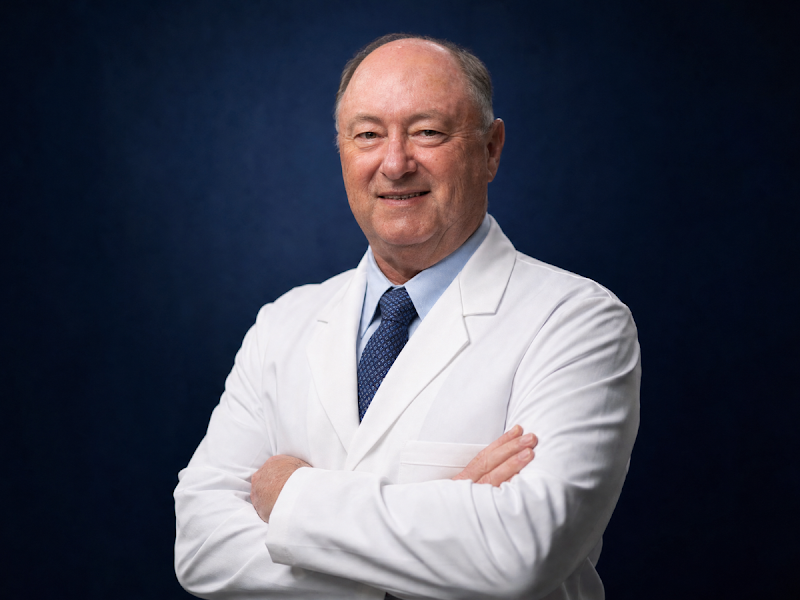
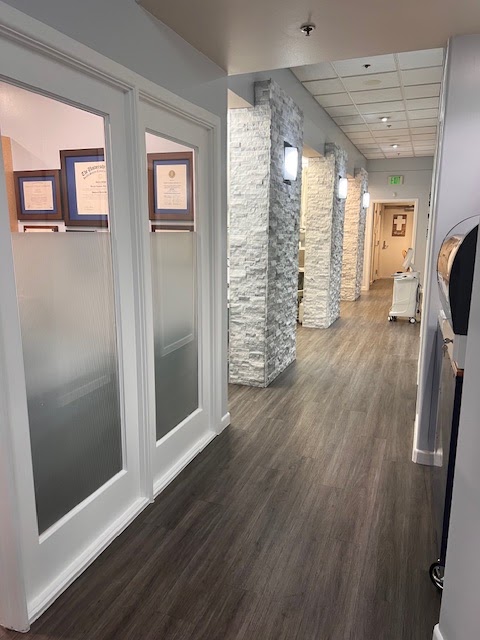
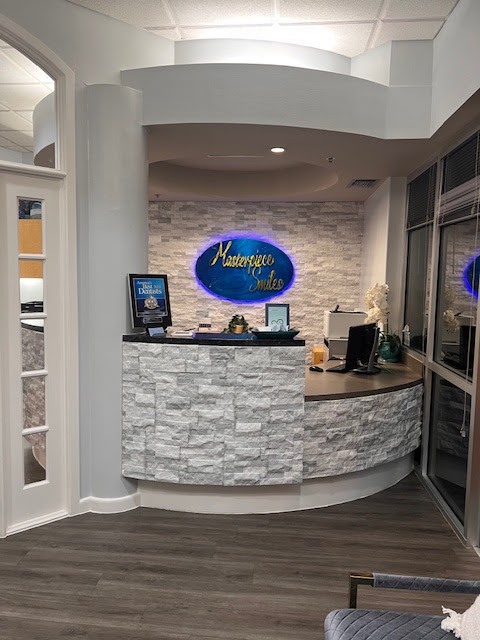
Masterpiece Smiles is highly praised for its exceptionally warm, welcoming staff and Dr. Schmidt's calming, non-judgmental approach, making it a favorite for patients with dental anxiety. While cosmetic treatments like Zoom whitening and routine cleanings receive glowing reviews, a few patients reported negative experiences with restorative procedures like fillings and root canals. Overall, the practice maintains a stellar reputation for thorough exams, modern comfort amenities, and long-term family care.
“My first teeth whitening experience went extremely well, and I plan on coming back regularly.” — Brenda
More cosmetic dentistry options

North Austin Dentistry
North Austin

Pecan St. Dental - Dr. Prab Singh, Pflugerville Dentist
Pflugerville

Baines Dentistry: John C. Baines, DDS, FAGD
South Austin

Austin Dental Works
Hyde Park

Park Family Dental - Cosmetic, Oral Surgery, & Implant Center
Cedar Park

Family Dental of Teravista
Georgetown
What to look for in an Austin Cosmetic Dentistry dentist
Photographs are everything. Any cosmetic dentist worth your time has a before-and-after gallery of cases *they personally did* — not stock photos, not lab company portfolios. When you visit the practice, ask to see cases that look like yours. If you have moderate yellowing and want veneers, see their veneer cases on yellowing teeth. If you have crowding plus discoloration, see how they've handled that combination. Cosmetic dentistry is a craft, and a craftsperson's portfolio tells you more than any credential.
Look for restraint, not maximalism. The best cosmetic work in Austin doesn't shout. Veneers that look obviously like veneers — uniformly white, blocky, too large — are dated. The current standard is "natural beautiful": teeth that match your face, skin tone, and age, with subtle variations in shade and translucency. If every case in a practice's portfolio looks like Hollywood-white in the same square shape, that's a stylistic limitation, not a feature.
For veneers specifically, ask about prep. Traditional veneers require grinding 0.5mm of enamel off the front of the tooth to make room. "No-prep" or "minimal-prep" veneers (Lumineers being the brand-name example) keep more enamel but are appropriate only for some cases. A good cosmetic dentist will tell you which approach fits your teeth, not just push whichever they prefer. Be skeptical of any practice that only ever uses one approach.
Lab quality matters as much as dentist skill. Veneers and crowns are made by dental lab technicians, not the dentist. The Austin cosmetic practices with the strongest reputations work with specific named labs they trust — often boutique labs in Austin, Dallas, or California — and they'll tell you which lab is making your veneers. Generic chain labs make generic-looking results.
For whitening, the question is procedure vs. product. In-office whitening (Zoom, Opalescence Boost, etc.) gets you faster results in one or two visits. Custom-tray take-home whitening from your dentist costs less and works just as well over 2–3 weeks. Drugstore strips are dramatically less effective than either. Practices that try to sell you a $700 whitening treatment without offering the $250 take-home option as an alternative aren't giving you the full picture.
How much does cosmetic dentistry cost in Austin?
Professional whitening in Austin runs roughly:
- In-office Zoom or laser whitening: $400–$800 per session
- Custom-tray take-home whitening: $250–$500 for the trays plus gel
- Touch-up gel refills: $30–$80 per syringe
Porcelain veneers are the largest spread:
- Single porcelain veneer: $900–$2,500 per tooth, depending on the lab and dentist
- Full set (8–10 veneers for the visible smile zone): $10,000–$25,000+
- Composite (resin) veneers: $300–$1,500 per tooth — cheaper, less durable, more reversible
Bonding (resin shaped onto the tooth to fix chips, gaps, or minor reshaping) runs $200–$600 per tooth. It's the underrated cosmetic procedure — for the right case (small chip, slight gap), it's a fraction of the cost of veneers with results that hold up for 5–10 years.
Smile makeovers (combinations of whitening, veneers, crowns, sometimes orthodontics and gum reshaping into one coordinated case) vary enormously by scope. A modest case: $8,000–$15,000. A full-mouth reconstruction with cosmetic goals: $25,000–$60,000+.
Insurance & financing for cosmetic dentistry
Most cosmetic dentistry is not covered by dental insurance. Whitening, veneers, and bonding done purely for appearance are considered elective and excluded by virtually every plan. There are narrow exceptions: bonding to repair a chipped tooth (often covered as restorative); crowns that happen to be cosmetic because they replace a damaged or root-canaled tooth (covered as major restorative); gum contouring when there's a periodontal indication.
The practical implication: budget for cosmetic work as out-of-pocket. CareCredit is the most common financing route, typically 0% if paid within 12 months, then high interest. Several Austin cosmetic practices also offer in-house monthly payment plans for larger smile cases — particularly anything over $5,000. Ask before assuming the practice doesn't offer this.
If you have an FSA or HSA, bonding and crowns that are restorative-coded are usually FSA/HSA-eligible. Pure whitening is not.