Top Orthodontics Dentists in Austin
Braces and clear aligners in Austin range from $3,000 for a minor alignment to $8,000+ for a complex case — and the right choice between Invisalign, traditional braces, and other options depends more on your specific case than on a price tag. The Austin practices below are praised by patients specifically for their orthodontic work, including a strong Invisalign track record.
 FEATURED


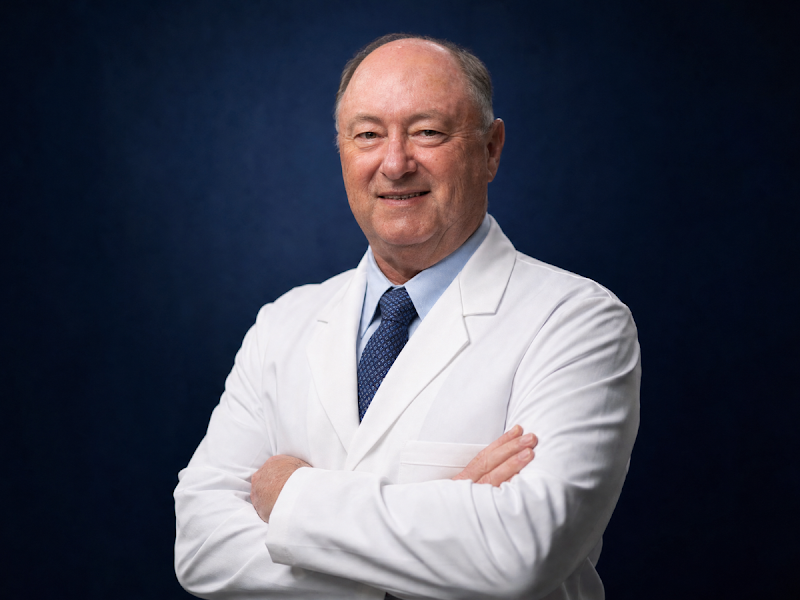
Pecan St. Dental - Dr. Prab Singh, Pflugerville Dentist
Pflugerville
Pecan St. Dental is highly regarded for its compassionate, non-judgmental environment and Dr. Prab's ability to ease dental anxiety through thorough communication and advanced technology. While the vast majority of patients praise the friendly staff and fair pricing, a few noted challenges with long booking lead times and mixed interpersonal experiences with the lead dentist.
Team: Prab Singh
“My invisalign journey has been great. Very happy with the attentiveness, followups, and results.” — Aarushi
More orthodontics options



What to look for in an Austin Orthodontics dentist
The first question: are you seeing an orthodontist or a general dentist who offers Invisalign? Both can be appropriate. Orthodontists complete 2–3 years of specialty training after dental school, focused exclusively on tooth movement and bite. General dentists who offer Invisalign have typically completed Invisalign's certification courses (which range from a weekend to multi-week training depending on the level). For straightforward cosmetic cases — minor crowding, gaps, mild crowding — a general dentist with Invisalign experience is often fine. For complex cases — significant bite issues, severe crowding, surgical orthodontics — you want a board-certified orthodontist.
For Invisalign specifically, ask about the dentist's case volume. Invisalign tracks providers by tier: General Practitioner, Silver, Gold, Platinum, Diamond. The higher tiers correspond to more cases completed (Diamond is 200+ cases per year). This doesn't mean a Diamond Invisalign provider is better than a Silver — but it does mean they've seen more variations and complications. Ask, and ask to see Invisalign cases that look like yours.
Be skeptical of "Invisalign in 6 months" marketing. A typical Invisalign case takes 12–18 months. Compressed timelines exist (Invisalign Express, ClearCorrect's shorter packages) but they're appropriate only for very minor cases. If a practice promises a 6-month timeline before seeing your scan, they're either (a) genuinely seeing a minor case where that's realistic, or (b) selling you a partial treatment that won't address everything. Demand specifics about what the 6 months would and wouldn't accomplish.
Ask about the treatment plan, not just the price. A good orthodontic consult should give you: a digital scan or impressions of your current teeth, a 3D simulation of the planned final result, the number of aligners (for Invisalign) or expected time in braces, the visit frequency (every 6–8 weeks for braces; every 8–12 weeks for Invisalign typically), and what happens *after* treatment (retainers are forever — get that one wrong and you're back to crooked teeth within 2 years).
For kids and teens, ask about Phase 1 vs. Phase 2 treatment. Phase 1 (interceptive treatment around age 7–9) addresses jaw growth issues while the child still has growing bones; Phase 2 (around 11–13) handles the actual tooth alignment after permanent teeth are in. Not every case needs Phase 1 — and some Austin practices recommend Phase 1 more aggressively than the orthodontic consensus does. The conservative read: ask whether your kid genuinely needs early treatment, or whether waiting for full eruption is reasonable. A second opinion is normal in pediatric orthodontics.
How much does orthodontics cost in Austin?
Standard orthodontic case costs in Austin:
- Traditional metal braces (typical 18–24 month case): $3,000–$6,000
- Ceramic (clear) braces: $4,000–$7,500 — same mechanism, less visible brackets
- Invisalign (full treatment): $3,500–$8,000
- Invisalign Express (minor cases, 6 months or less): $1,800–$3,500
- Lingual braces (behind the teeth, invisible from the front): $8,000–$13,000
- Phase 1 pediatric treatment: $1,500–$4,000
- Retainers (after any treatment): $200–$700 per set; replacement sets every few years
The single biggest cost driver is case complexity, not the technology. A simple Invisalign case can be cheaper than complex braces; a complex Invisalign case can cost as much as lingual braces. Anyone who quotes you a price before scanning your teeth is giving you a marketing number, not a case estimate.
Mail-order aligner companies (SmileDirectClub, Byte, etc.) advertise prices in the $1,800–$2,500 range. The trade-off is that you never see a dentist or orthodontist in person — the case is planned remotely from photos and a self-administered impression. Recent class action settlements and the bankruptcy of SmileDirectClub have shifted Austin patients away from mail-order back toward in-practice treatment. Worth knowing if you're price-comparing.
Insurance & financing for orthodontics
Dental insurance with orthodontic benefits typically covers $1,000–$3,000 lifetime for orthodontics — emphasis on *lifetime*. Unlike most dental benefits that reset annually, ortho benefits are a one-time pool you can use once per covered person. Many plans require the case to start before age 19 to qualify; others cover adults. Check your plan's specific orthodontic clause, not just the general dental benefits.
Phase 1 (early childhood) treatment is treated differently by different insurers. Some plans count Phase 1 against the lifetime ortho maximum (which means the family loses that money for the eventual Phase 2). Others cover Phase 1 separately. This is one of the questions a practice's insurance coordinator should answer for you up front.
Financing for orthodontic care is the most flexible in dentistry. Almost every Austin orthodontic practice offers monthly in-house payment plans with no interest, typically spreading the case cost over the active treatment period (so 18 months of treatment = 18 months of payments). Down payments are typically 20–25%. This is so standard that if a practice doesn't offer it, that's a yellow flag.
CareCredit and Lending Club work for orthodontic cases too. FSA and HSA dollars cover orthodontic treatment — this is one of the highest-value uses of FSA money, because the case cost is predictable and the timing is flexible enough to align with FSA planning.