Top Periodontics Dentists in Austin
Gum disease is the silent driver of tooth loss in adults — more common than cavities, less obvious until it's advanced, and often treated too late. Periodontal care in Austin ranges from a single deep cleaning to gum surgery and grafts. The practices below are recognized by patients for periodontal care, including the deep cleanings and maintenance work that catches gum disease before it requires surgery.
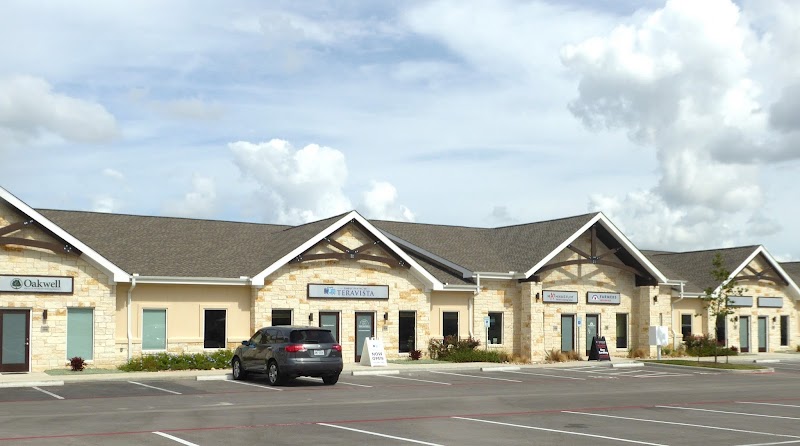
Family Dental of Teravista
Georgetown
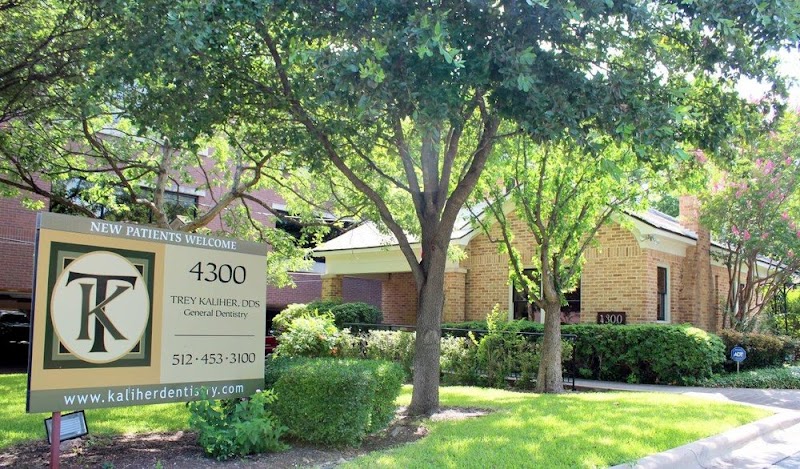
Trey Kaliher, DDS
Brentwood
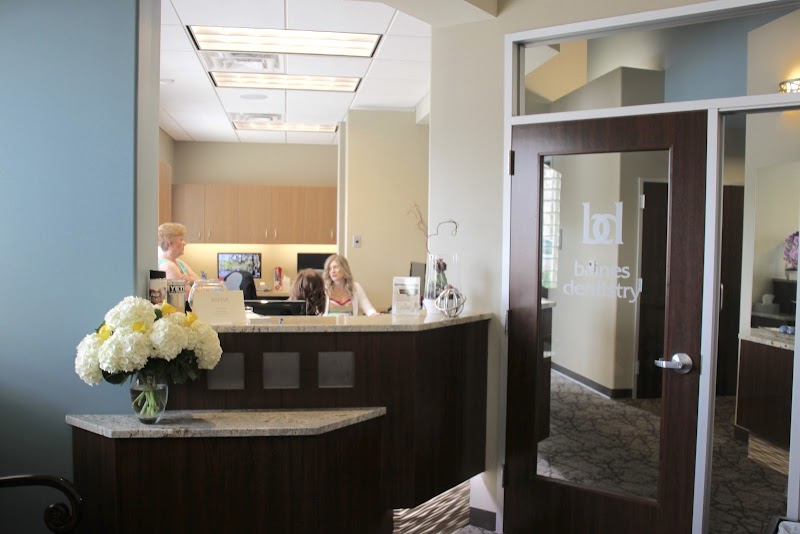
Baines Dentistry: John C. Baines, DDS, FAGD
South Austin
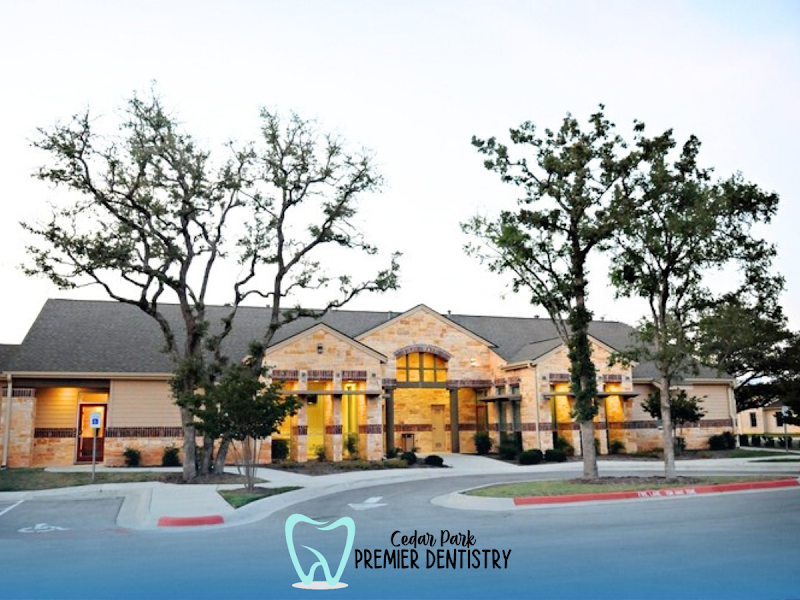
Cedar Park Premier Dentistry
Cedar Park
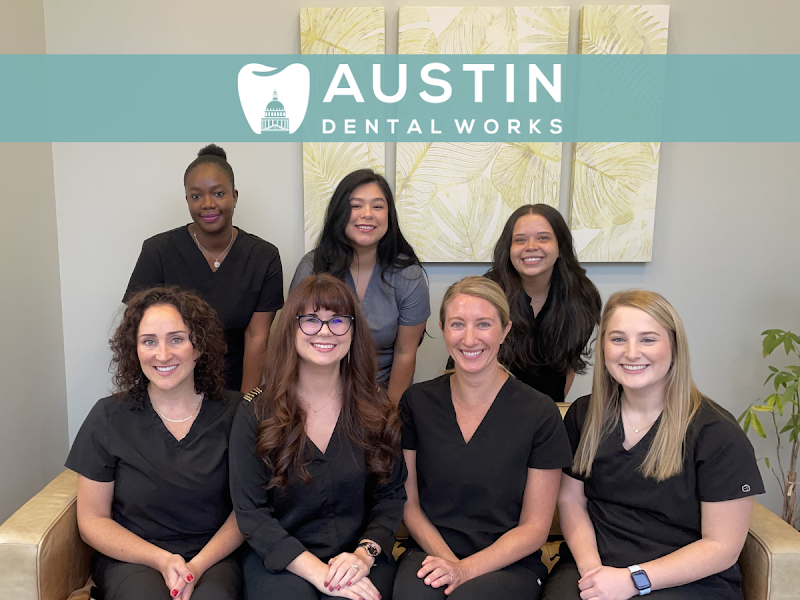
Austin Dental Works
Hyde Park
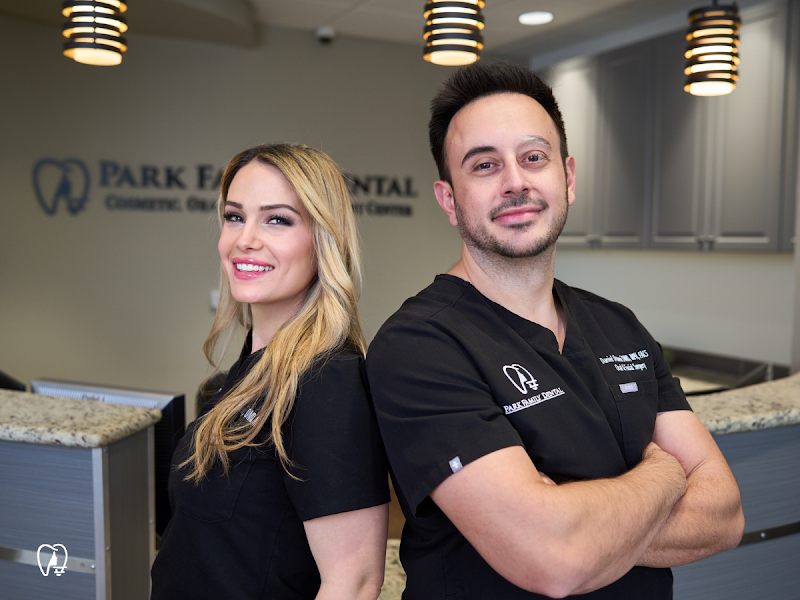
Park Family Dental - Cosmetic, Oral Surgery, & Implant Center
Cedar Park
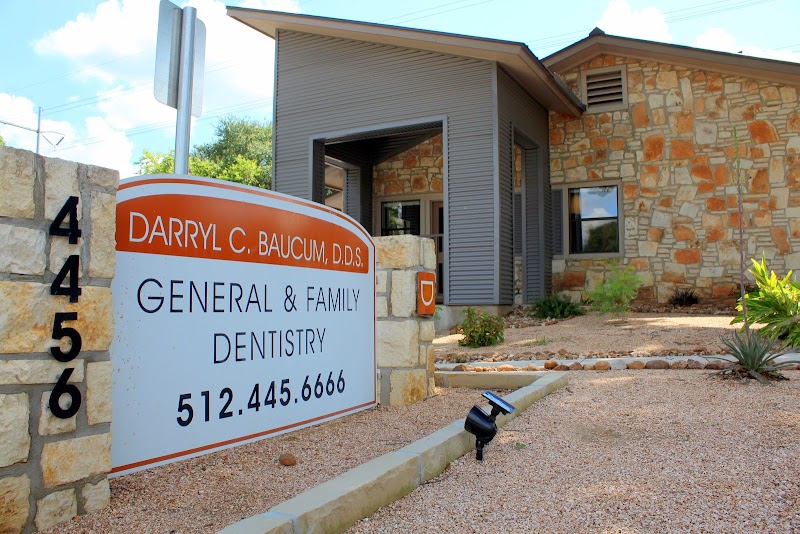
Darryl C. Baucum, D.D.S. - Baucum Family Dentistry
South Austin
What to look for in an Austin Periodontics dentist
Know which kind of provider does what. General dentists treat early-to-moderate gum disease (gingivitis and mild periodontitis) routinely — scaling, root planing ("deep cleaning"), oral hygiene coaching, and ongoing maintenance. Periodontists are specialists with 3 years of additional training after dental school, and they handle advanced periodontitis, surgical gum treatment, gum grafts for recession, dental implant placement (especially complex cases), and gum surgery for cosmetic reasons. For most patients, the right starting point is your general dentist — they'll diagnose the severity of gum disease at routine exams (using a probe to measure pocket depths around each tooth) and either treat it themselves or refer to a periodontist if it's beyond what general dentistry handles. If you have pocket depths of 5mm or more in multiple areas, persistent bleeding, gum recession, loose teeth, or family history of gum disease and early tooth loss, a periodontist consultation is worthwhile.
Ask about diagnostic specificity. A good periodontal exam isn't just "your gums look fine." It includes: probing depths at six sites around each tooth (recorded numerically), bleeding on probing assessment, recession measurements, and tooth mobility checks. Patients with risk factors should also get a periodontal disease classification (the current standard is the 2017 AAP/EFP classification: Stage I–IV, Grade A–C). Practices that don't measure and record probing depths can't tell you whether your gums are improving or worsening over time.
Conservative treatment first. Most early-to-moderate gum disease responds to scaling and root planing ("deep cleaning") — a procedure where the hygienist or dentist cleans below the gumline to remove tartar and bacteria from the root surfaces, usually done with local anesthesia in one or two visits. A good practice will exhaust non-surgical treatment options before recommending surgery. If a practice jumps straight to gum surgery without trying scaling and root planing first, get a second opinion.
Maintenance is forever. Once you've had gum disease, you'll typically need cleanings every 3–4 months for the rest of your life rather than the standard 6 months — the bacteria recolonize the pockets faster than they would in a healthy mouth. This is called "periodontal maintenance" and is a different appointment type than a regular cleaning. A practice that fails to put diagnosed periodontal patients on a 3–4 month maintenance schedule is missing the highest-leverage prevention available.
Ask about adjunctive therapies. Beyond scaling and root planing, current periodontal practice may include: locally-applied antibiotics (Arestin, chlorhexidine chips placed directly into pockets), laser-assisted periodontal therapy (LANAP), and oral probiotics. Evidence for these varies — laser therapy in particular is heavily marketed but has mixed clinical evidence. A practice that pushes any single technology hard without explaining the tradeoffs is selling, not treating.
How much does periodontics cost in Austin?
Typical Austin-area periodontal costs:
- Routine cleaning (prophylaxis) for healthy gums: $80–$200
- Scaling and root planing (deep cleaning), per quadrant: $150–$400
- Full-mouth scaling and root planing (all 4 quadrants): $600–$1,400
- Periodontal maintenance (cleaning for diagnosed perio patients): $120–$250
- Localized antibiotic delivery (Arestin etc.), per tooth: $50–$150
- Gingivectomy/gingivoplasty (gum reshaping, surgical or laser): $200–$600 per tooth
- Gum graft (single tooth, connective tissue graft): $900–$2,500
- Multi-tooth gum graft: $2,500–$6,000+
- Bone graft for periodontal defect: $500–$3,000 per site
- Laser-assisted periodontal therapy (LANAP), per quadrant: $1,500–$3,500
- Pocket reduction surgery (osseous surgery), per quadrant: $1,000–$3,000
Insurance & financing for periodontics
Dental insurance generally covers periodontal care well, with caveats.
- Scaling and root planing is typically covered at 80% after deductible when there's documented bone loss or pocket depths over 4mm — but you may need to use the diagnostic codes correctly and submit x-rays. Some plans require a waiting period before periodontal coverage activates.
- Periodontal maintenance is usually covered the same as regular cleanings (often 100%), but some plans cap the number per year (often four maintenance cleanings annually).
- Surgical periodontics (gum surgery, pocket reduction, gingivectomy) is typically covered at 50% as major restorative work, capped at the annual maximum.
- Gum grafts are inconsistently covered. Cosmetic grafts (grafting to cover exposed roots for appearance) are usually excluded. Grafts done for functional/medical reasons (preventing further recession, addressing sensitivity, protecting bone) are sometimes covered at 50%, with documentation.
Medical insurance can occasionally cover periodontal work — particularly for patients with diabetes, where periodontal disease has documented systemic effects, and gum surgery performed in conjunction with dental implant placement. Cross-billing to medical insurance for periodontal care is possible but requires the practice to know how.
FSA/HSA covers all periodontal treatment regardless of insurance status.
Financing. Multi-quadrant deep cleanings, gum surgery, and graft cases qualify for CareCredit and similar financing. Some practices also offer in-house payment plans for periodontal cases.